Material Notes
How to Choose the Right LED Floodlight
Choosing the right LED floodlight involves more than wattage. Learn about luminous efficacy, protection ratings, housing materials, and key components to consider before purchasing.
How to Choose the Right LED Floodlight
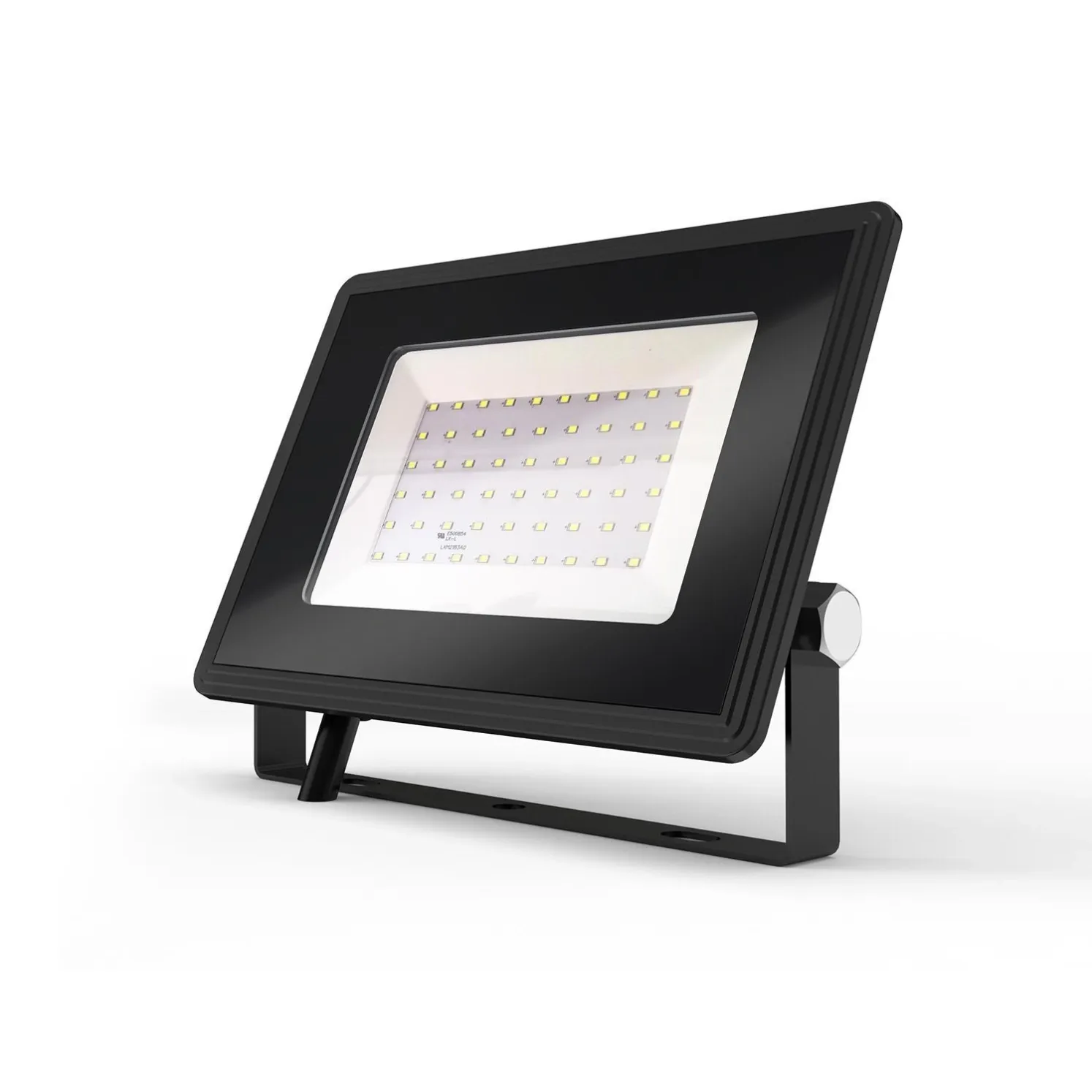
LED floodlights are widely used in factories, warehouses, parking lots, construction sites, and other outdoor areas. However, choosing the right floodlight involves more than simply selecting a wattage.
Here are several important factors to consider before purchasing.
1. Choose the Appropriate Wattage
The required wattage depends on the size of the area, installation height, and desired brightness.
Common options include 50W, 100W, 150W, 200W, and 300W. A higher wattage does not automatically mean better lighting. The actual lighting requirements should guide product selection.
2. Check the Luminous Efficacy
Luminous efficacy, measured in lumens per watt (lm/W), indicates how efficiently a light converts electrical power into visible light.
When comparing products, check both the rated power and actual luminous flux rather than relying only on marketing descriptions.
3. Consider the Protection Rating
For outdoor applications, protection against dust and water is important. IP65 is a commonly used rating for outdoor LED floodlights.
Always check whether the product's IP rating is supported by reliable testing documentation.
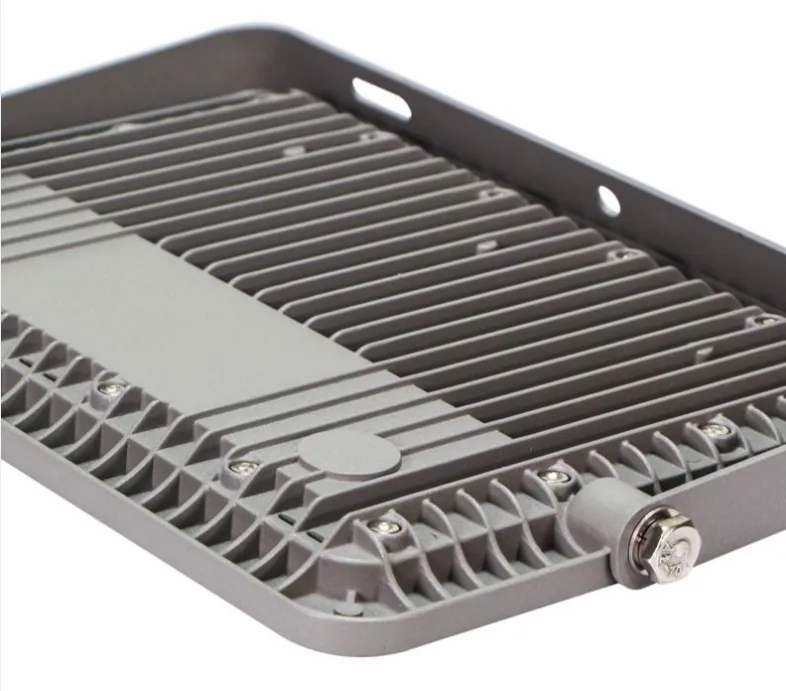
4. Pay Attention to Housing Materials
Die-cast aluminum is commonly used in LED floodlight housings because it provides structural strength and helps dissipate heat.
Good thermal management can contribute to stable operation and longer product life.
5. Check the Driver and LED Components
The driver and LED chips are important components that affect electrical performance, reliability, and lighting quality. Ask suppliers for clear component specifications.
Final Thoughts
Before placing an order, compare product specifications, test reports, warranty conditions, and supplier capabilities.
Choosing the right LED floodlight means finding a balance between lighting performance, product quality, and purchasing cost.