Buying Guides
Die-Cast Aluminum LED Floodlights: Features and Benefits
Discover why die-cast aluminum is widely used in LED floodlights. Learn about heat dissipation, structural strength, durability, and important factors when selecting a lighting fixture.
Die-Cast Aluminum LED Floodlights: Features and Benefits
Housing material is an important factor when selecting an LED floodlight. Die-cast aluminum is widely used in outdoor lighting products because of its strength, durability, and thermal management properties.
1. Effective Heat Dissipation
LED components generate heat during operation. Excessive heat can affect their performance and service life.
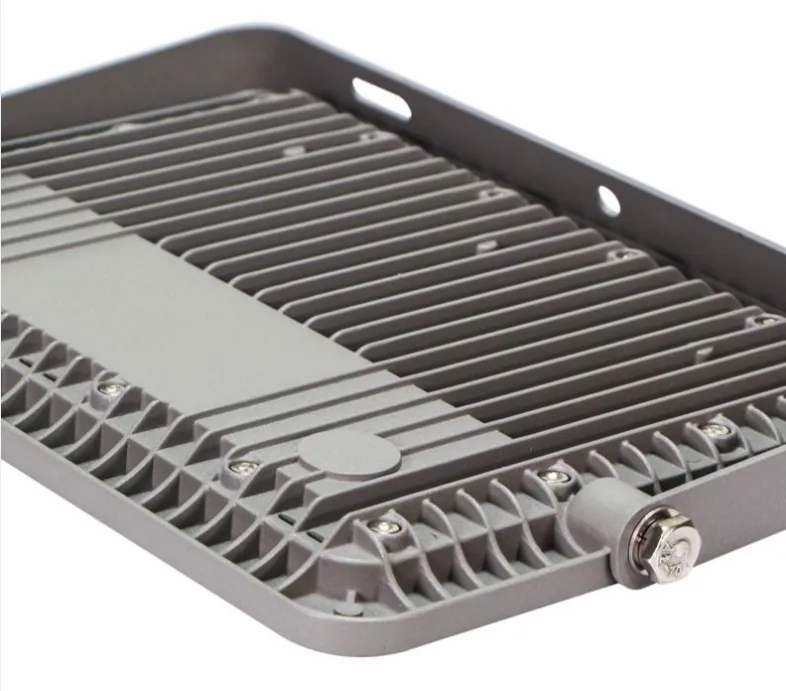
Aluminum has good thermal conductivity, making it a suitable material for LED lighting housings and heat dissipation structures.
2. Strong and Durable Construction
Die-cast aluminum housings provide a solid structure for lighting fixtures. They are commonly used in outdoor and industrial lighting products where mechanical strength and durability are important.
3. Suitable for Outdoor Applications
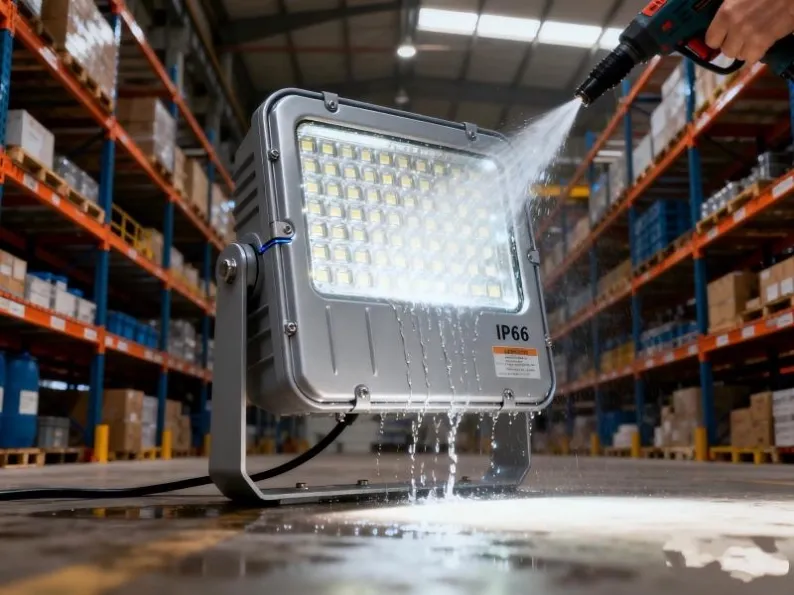
When combined with appropriate sealing structures and surface treatments, die-cast aluminum LED floodlights can be designed for outdoor environments.
The actual protection level depends on the complete fixture design and must be verified through testing.
4. Flexible Product Design
Die-cast aluminum allows manufacturers to develop different housing shapes, sizes, and mounting structures.
This provides flexibility for various power ratings and lighting applications.
What Should Buyers Consider?
When sourcing die-cast aluminum LED floodlights, buyers should check:
- Housing dimensions and weight
- Surface finish and corrosion resistance
- Heat dissipation structure
- Sealing design and IP protection rating
- LED driver and chip specifications
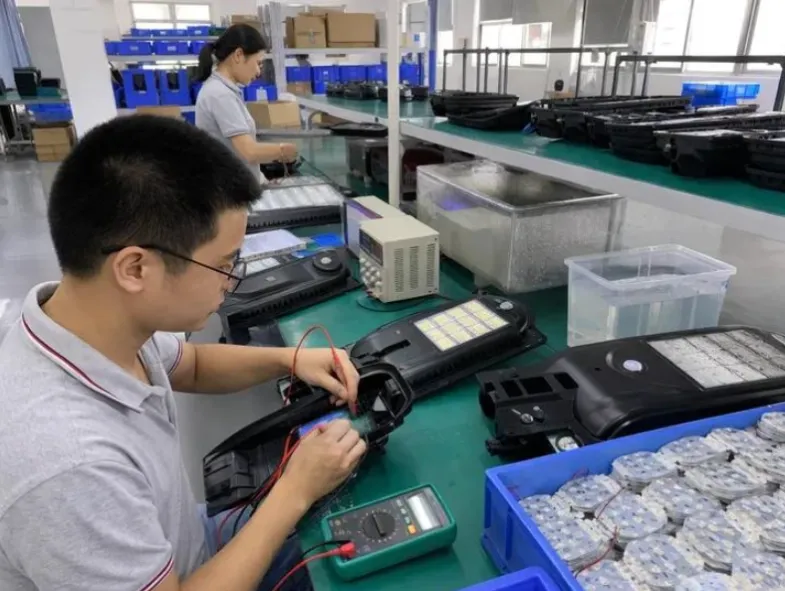
- Product testing and warranty conditions
Conclusion
Die-cast aluminum is a practical housing choice for many LED floodlight applications. However, overall product quality depends on more than the housing material. Electrical components, thermal design, assembly, and testing are equally important.